


For decades, the American Dream followed a predictable, high-pressure script: work harder, buy more, and manage the stress of a rising cost of living. But for a growing number of people in places like Texas, that script is being shredded in favor of something more intentional.
The move from the Lone Star State to the island of Bohol isn’t just a 9,000-mile flight; it is a fundamental life redesign. It is a transition from “high-speed routine” to “purpose-driven living.”
However, as Coach Merv Moore and his wife Lerma—the architects of the Bohol Coconuts Baseball & Softball Club—will tell you, this isn’t a tropical fantasy. It is a logistical, financial, and emotional blueprint that requires more than just a passport and a dream.
The Decision: Beyond “Vacation Thinking”
Most relocation journeys begin with a moment of friction. In Texas, that might be the property tax bill, the two-hour commute, or the general sense of burnout. But the Moore’s warn that “escaping” a life is different from “building” one.

“The biggest mistake is moving with ‘vacation thinking,’” says Coach Merv. “When you’re on vacation, you expect things to be perfect and convenient. When you’re living here, you have to be adaptable. You aren’t just trading your GPS for a map; you’re trading a life of control for a life of contribution.”
Before booking a flight, potential relocators must ask if they want passive living or active involvement. For those looking at the Coconuts ecosystem, the answer is usually the latter. The move to Bohol is perfect for the remote worker or the lifestyle investor who wants their presence to mean something to the local community.
Navigating the Legal Entry
One of the most surprising aspects of moving to the Philippines is how low the initial barrier to entry actually is. For U.S. citizens, the journey usually starts visa-free.
“You can land in Manila or Cebu with nothing but your American passport and get 30 days,” Lerma explains. “From there, you can extend that stay for up to 36 months through the Bureau of Immigration and never have to leave the country. It allows you to arrive first and decide later if the island life is truly for you.”

For those seeking long-term stability, pathways like the Special Resident Retiree’s Visa (SRRV) or investor visas exist, but the “arrive and adjust” strategy is the most common entry point for the club’s Founders. It provides the flexibility to find the right neighborhood and community before committing to a permanent legal status.
The Financial Restructure
Moving to the tropics is often billed as “cheap,” but Coach Merv prefers the term “restructured.” While the monthly cost of living in Bohol can be 60% to 70% lower than in a major Texas city, the initial relocation costs—flights, shipping, and setup—typically range between $4,500 and $7,000.
“You don’t just move; you restructure your financial life,” Merv says. “You’re trading high fixed costs, like insurance and property tax, for lower variable costs. But you need a remote income or a solid savings runway before you land. The goal isn’t just to spend less; it’s to have the financial freedom to participate in the mission of the club.”
The Founders Club participation model is designed specifically for this, offering a way to integrate living costs with the development of the academy, effectively creating an “economic arbitrage” that works in the resident’s favor.
The Minimalist Strategy: What to Bring
In Texas, everything is bigger. In Bohol, smaller is often smarter. A common pitfall for relocators is trying to ship their entire U.S. lifestyle across the Pacific.
“Ship less, buy local,” is Lerma’s mantra. “Aside from essential electronics, backups, and your most important documents, most of what you think you need, you don’t. High-end U.S. furniture doesn’t always love the humidity. You want to arrive as a minimalist.”
The most important “cargo” isn’t in a shipping container—it’s in your carry-on: unlocked smartphones, quality laptops for remote work, and a medical history file. Everything else can be sourced within the local markets or the growing retail hubs in Tagbilaran City.
The 30-Day Adaptation Curve
The first week in Bohol is usually a blur of heat, humidity, and cultural novelty. By day four, the “emotional curve” often dips as the reality of a slower pace sets in.
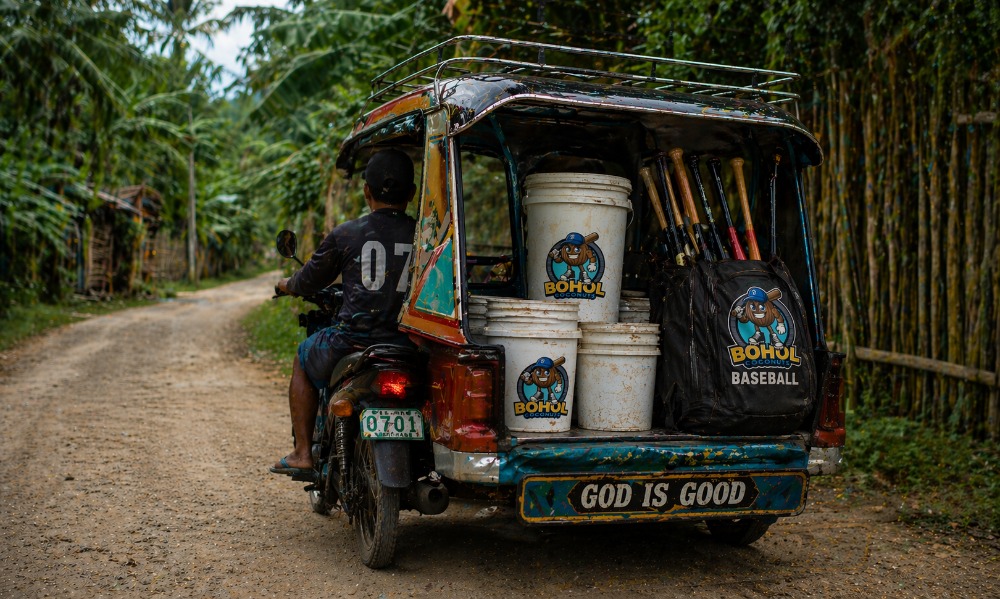
“In Texas, if you want something, you get it in ten minutes. In Bohol, things take as long as they take,” Coach Merv laughs. “The first 30 days are critical. This is when you establish a routine. If you isolate yourself in an air-conditioned room, you’ll fail. You have to get out, navigate the local banking systems, meet the neighbors, and join the circle.”
Community is the primary safeguard against “expat burnout.” The Coconuts ecosystem provides an immediate social fabric, ensuring that new arrivals aren’t just tourists, but members of a team.
Housing and Income: The Reality Check
Strategic housing involves a two-phase approach. Most newcomers start in temporary lodging—like the club’s Eco-Lodge Suites—to stay flexible while scouting long-term leases. Ownership for foreigners is restricted to condominiums or specific corporate structures, making the “Founders residency” model an attractive alternative for those who want to live within a managed ecosystem.

Legally, work is a nuanced area. A tourist visa does not allow for local employment. Most successful relocators are “digital nomads” or lifestyle investors with passive income. “You have to be self-sufficient,” Lerma notes. “The Philippines is a place to bring your work, not necessarily to find it.”
The Trade-Off: What Is Gained and Lost
The transition is a series of trades. You lose the convenience of 24-hour mega-stores and the predictability of a rigid grid. You gain time, simplicity, and a profound sense of community.
“You trade speed for depth,” Merv explains. “Daily life here—sourcing food from the local market, coordinating transportation, dealing with the occasional power flicker—requires more effort. But that effort connects you to the world around you. You stop being a consumer and start being a participant.”
The Turning Point

Settling in follows a predictable timeline: 30 days to adjust, 90 days to stabilize, and six months to feel “comfort.” The true turning point occurs around the half-year mark, when routine replaces novelty and the community replaces curiosity. This is when Bohol stops feeling like a trip and starts feeling like home.
“The real question isn’t whether you can move to Bohol,” Coach Merv concludes. “The logistics are manageable, and the costs are favorable. The real question is whether you’re ready to build a different kind of life when you get there. If you’re ready to trade the pressure for purpose, the roadmap is already written.”
For those ready to start their own journey, the resources at Move 2 Bohol and the Founders Club offer the specific steps to turn the Texas-to-tropics dream into a reality.